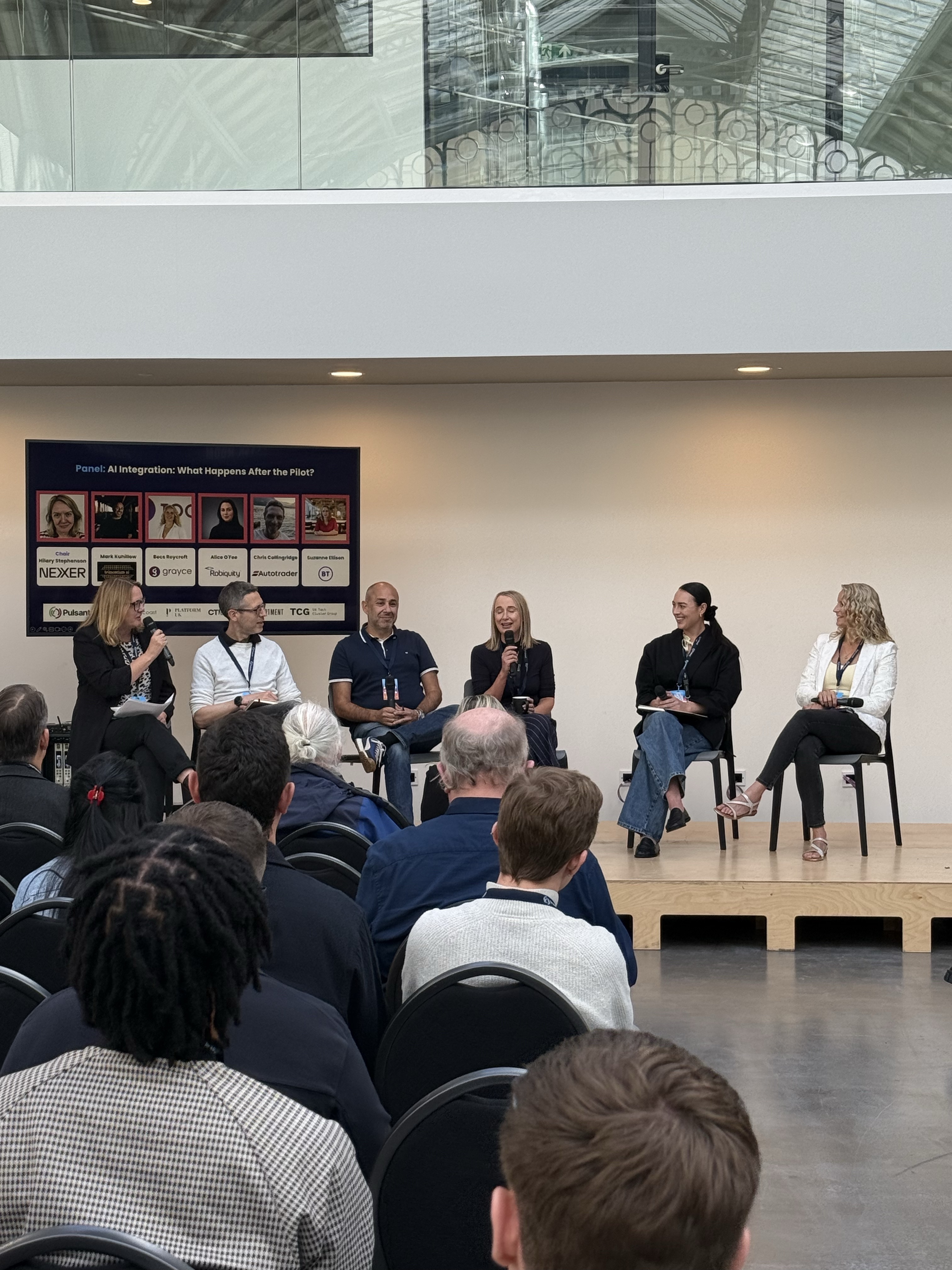
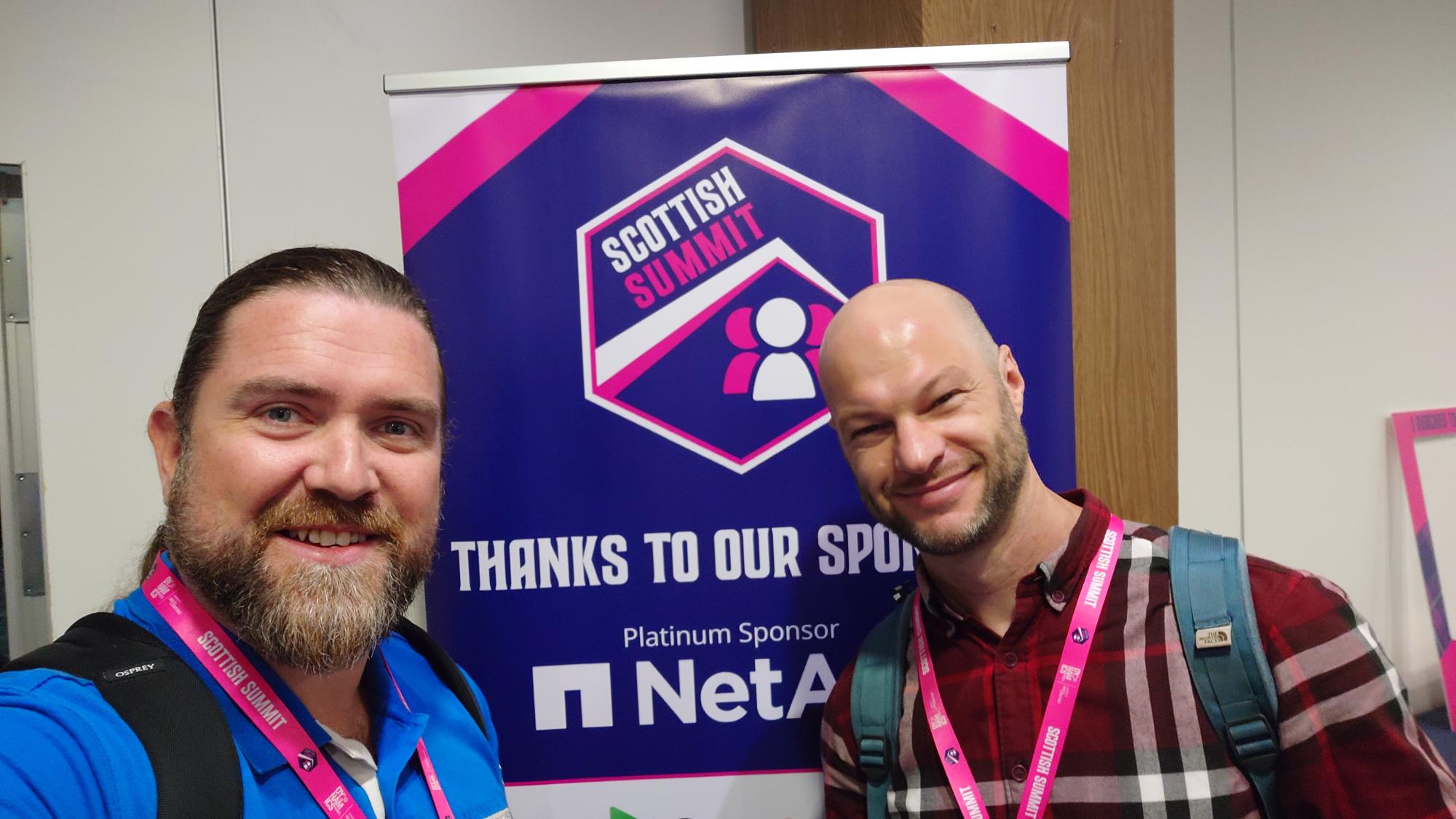
My colleague, Glen Pyper, and I attended the recent Scottish Summit at Murrayfield Stadium. From our experience, it lived up to its reputation as one of the friendliest events in the Microsoft community.
The organisers had clearly put a lot of thought into the experience, from attendees being piped in as they arrived, to the Scottish snacks served between sessions. There was also a real buzz around Power Platform, Copilot and AI, with a broad mix of speakers and topics.
But what stayed with us most was a wider question: as AI makes it easier to create and automate more, where does human judgement become more important rather than less?
Building Faster Still Needs Judgement
Martin Woodward (VP of Developer Relations at GitHub)’s keynote, “Building with Heart in the Age of AI”, set that tone early.
AI is making it easier to produce things quickly, including apps and games that can look convincing before we really know how good they are. That puts more weight on human creativity and judgement. Just because you can now build something faster doesn’t automatically mean it’s the right thing to build.
From Adding Agents to Changing the Workflow
One practical session that particularly stood out was on Copilot Cowork. It covered what Cowork can do, what needs to be in place to use it, how skills and plug ins fit around it, and some of the cost implications.
What interested us more was what this could mean for workflow design. We often think about AI by asking where an agent could be added into an existing process. Cowork suggests something slightly different. Instead of asking AI to complete one step, people may increasingly be able to delegate a meaningful chunk of work and return when they need to judge or approve an output.
This raises a few questions:
- What work can reasonably be delegated?
- When should the person come back in and what do they need to see?
- What happens when the AI cannot complete the work?
This made us think more about designing for delegation. The design question may be shifting from “where can we use AI in a workflow?” to “how should people and AI share the work?”
Human Judgement is Still Central
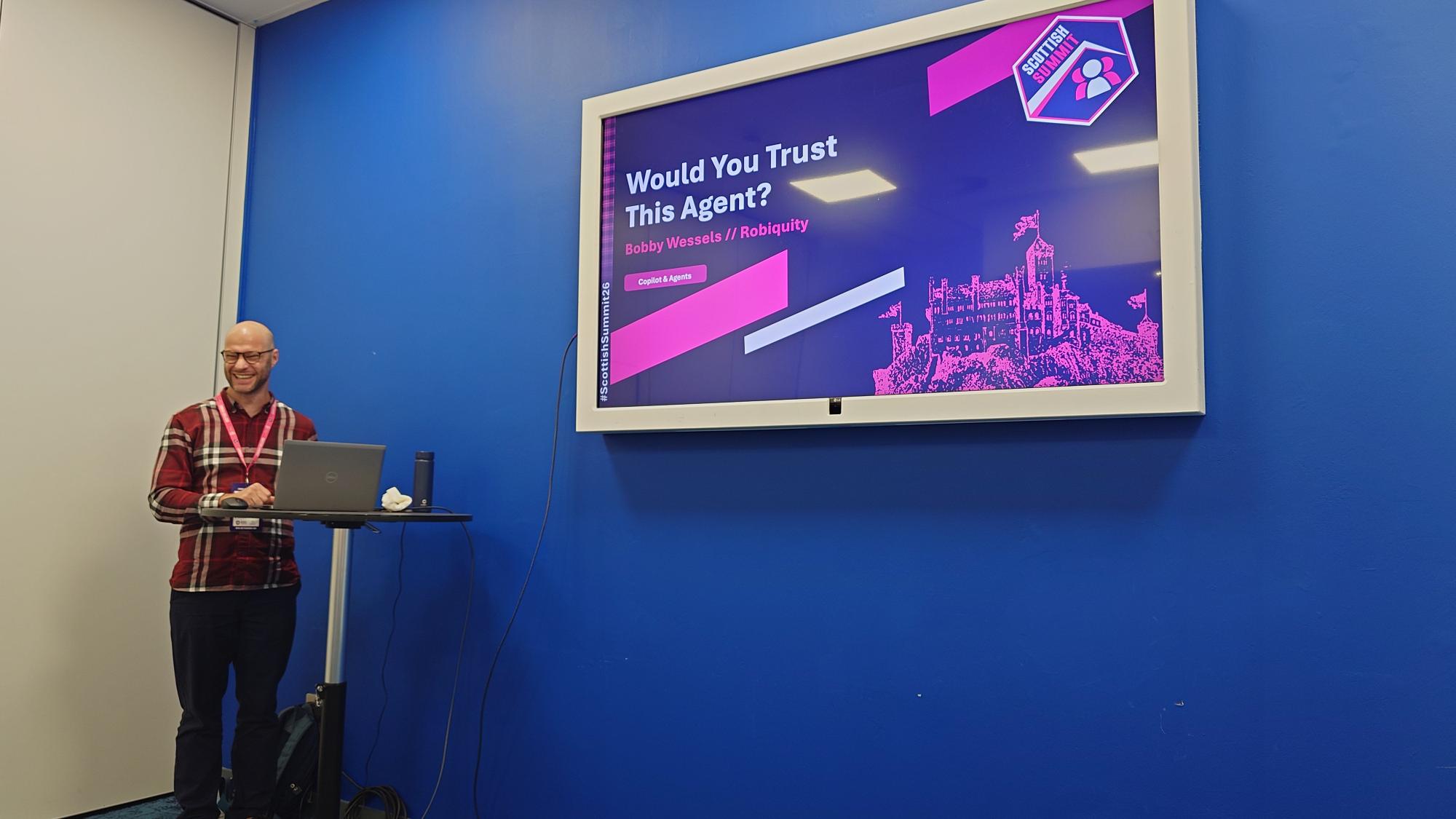
The session on Copilot Cowork connected closely with the session I presented, “Would You Trust This Agent?". My session looked at the topic from a service design perspective.
The talk explored what it is that makes an AI agent useful enough to rely on in real work. Rather than asking whether people should simply trust an agent, the focus was on helping people know when to rely on it, when to question it, and what should happen when it reaches its limits.
I framed the session around three key areas:
- The right task: Is this an appropriate job for the agent and does using it improve the service?
- The right information: Can the person see enough context or evidence to judge what the agent has done?
- The right fallback: When the agent can't help or gets something wrong, can the person continue without the service breaking down?
The wider point was that people don’t just experience the agent itself. They experience the service around it, including how easy it is to check, challenge or recover from what the AI does. One of the useful reflections afterwards was hearing that some people had not intentionally considered those areas before.
The final point - right fallback - particularly stood out, especially in areas such as healthcare where the consequences of getting it wrong can be much greater.
Saying that a human is “in the loop” isn’t enough on its own. That human needs to know when to intervene, what information they need and what happens when the technology reaches its limit.
Think. Challenge. Consult.
A few ideas are staying with us. The Cowork session has made us think more seriously about what delegation to AI should actually look like.
The session on the Power Platform Centre of Excellence (CoE) gave us a different reminder. There are always more governance activities you could do, but that doesn’t mean they are all equally valuable. Part of good governance is deciding what genuinely matters and being comfortable leaving some things alone.
And across the sessions and conversations, the wider consulting takeaway for us boiled down to: Don’t just do. Think. Challenge. Consult.
That feels especially relevant as AI makes more things quicker and easier to produce. The value is not only in being able to do the work, but in knowing what’s worth doing in the first place.
If you’d like to speak to Robiquity about how to think smarter, act faster and achieve more with AI, get in touch with the team today.